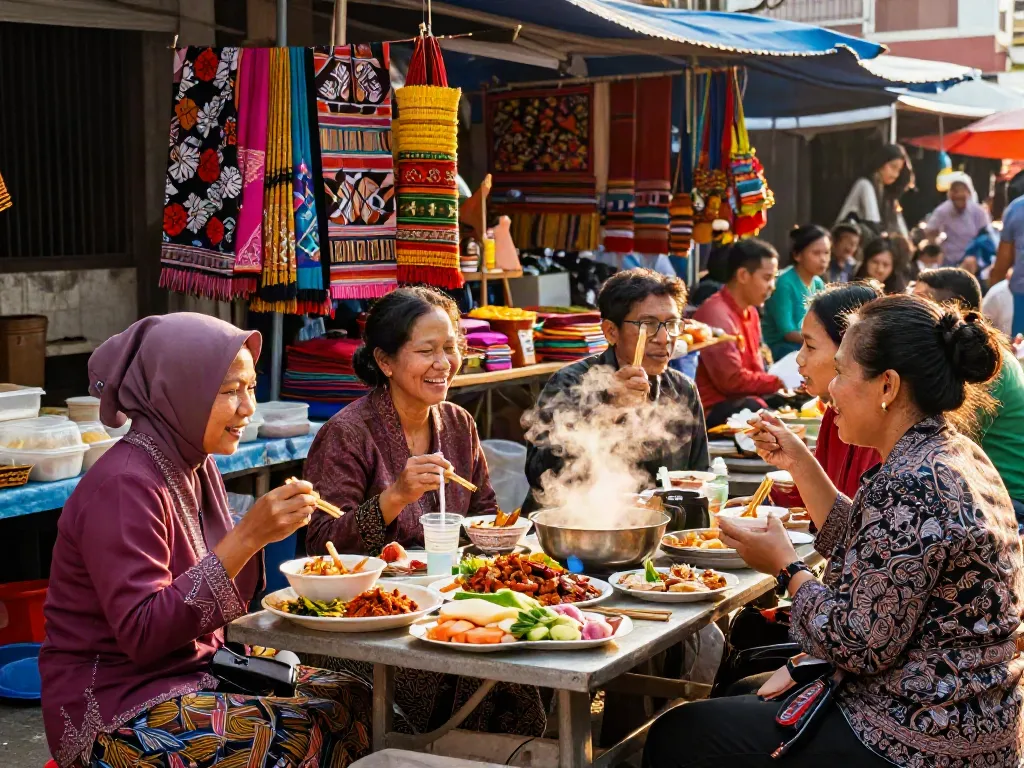
Understanding Nyonya4D: A Cultural Journey
The world of Nyonya4D is a vibrant tapestry that threads together the rich cultural heritage of the Peranakan people, notable for their unique blend of Chinese, Malay, and Indonesian influences. This cultural phenomenon isn’t just about aesthetics; it embodies a way of living that celebrates familial ties, traditional practices, and community engagement. Understanding Nyonya4D is akin to embarking on a journey through time, exploring the historical roots and cultural significance that it represents. When exploring options, nyonya4d provides comprehensive insights into this unique experience.
What is Nyonya4D and Its Origins?
Nyonya4D represents a cultural framework that encapsulates the traditions and lifestyles of the Peranakan or Straits Chinese communities, primarily found in Malaysia and Singapore. The term 'Nyonya' refers to the female descendants, while 'Baba' denotes the males. The genesis of this culture can be traced back to the 15th century when Chinese merchants settled in the Malay Archipelago. They intermarried with local Malay women, resulting in a distinct cultural group that inherits elements from both traditions. Today, Nyonya4D serves as a modern interpretation, offering an engaging experience that integrates historical elements with contemporary practices.
The Significance of Peranakan Culture
Peranakan culture plays a pivotal role in defining Nyonya4D. At its heart lies the preservation of unique customs, languages, clothing, and, importantly, the culinary arts. Traditional dishes such as Laksa and Nyonya Kueh have transcended generations, representing not only the gastronomic identity but also the blending of cultures. The significance extends beyond food; it includes ceremonies, art forms, and attire that are emblematic of a rich heritage. Emphasizing the values of family, hospitality, and community, the Peranakan lifestyle offers crucial lessons in cultural permanence and adaptability.
Bringing Nyonya4D to Life: Practical Strategies
To truly bring Nyonya4D to life, engaging strategies that resonate with both locals and tourists are essential. These strategies not only enhance cultural appreciation but also foster community involvement and economic opportunities. Practical methods can include organizing workshops, festivals, and culinary experiences that attract participants from diverse backgrounds.
Creating Authentic Nyonya4D Experiences
Creating authentic experiences begins with an understanding of the cultural nuances inherent to Nyonya4D. Workshops focusing on traditional crafts like beadwork and batik can immerse participants in the intricate skills passed down through generations. Culinary classes featuring Nyonya recipes not only educate but also allow participants to appreciate the rich flavors and techniques. Such initiatives should be marketed towards schools, cultural institutions, and community centers to maximize participation.
Engaging with the Community and Stakeholders
Community engagement is paramount for the success of Nyonya4D initiatives. Building relationships with local artisans, chefs, and cultural historians can enhance authenticity and credibility. Collaborative events that invite stakeholders from various sectors—like tourism, local government, and education—encourage a multi-faceted approach to promoting Nyonya4D. Additionally, utilizing social media to share stories and events can amplify outreach and engagement.
Leveraging Technology for Enhanced Interactions
The integration of technology in cultural experiences opens new avenues for engagement. Virtual reality and augmented reality applications can simulate historical experiences, allowing an immersive journey through the past. Online platforms for storytelling and community forums can create a space for dialogue and exchange that transcends geographical boundaries. Furthermore, mobile applications could serve as guides for navigating Nyonya4D events and resources, enhancing accessibility and participation.
Challenges in Nyonya4D Implementation
As with any cultural initiative, implementing Nyonya4D initiatives comes with its own set of challenges. Addressing misconceptions and ensuring cultural sensitivity are critical for maintaining the integrity and respect of the traditions involved.
Common Misconceptions About Nyonya4D
One of the primary misconceptions about Nyonya4D is that it is merely an aesthetic trend. While its visual aspects are widely celebrated, the deeper essence of the culture—its values and lived experiences—often gets overshadowed. Education plays a crucial role in dispelling these myths, emphasizing that Nyonya4D is not just a cultural showcase, but a living tradition that evolves while preserving its core identity.
Navigating Cultural Sensitivities
Navigating cultural sensitivities requires a deep respect for the customs and practices of the Peranakan community. Sensitivity training and workshops for facilitators and participants can foster a better understanding of cultural dynamics. Engaging with community leaders and elders ensures that programs are respectful and aligned with the values of the Nyonya culture.
Overcoming Logistical Obstacles
Logistical challenges such as funding, venue availability, and resource limitations can impede the development of Nyonya4D initiatives. Formulating partnerships with local businesses and government bodies can provide the necessary support and resources. Creating a sustainable model that incorporates various funding streams—like tourism, grants, and community contributions—can further alleviate these obstacles.
Measuring Success in Nyonya4D Initiatives
Implementing Nyonya4D initiatives requires a systematic approach to evaluate their success. Establishing measurable outcomes and feedback mechanisms allows for continuous improvement and alignment with community needs.
Key Performance Indicators for Cultural Engagement
Key performance indicators (KPIs) can range from participant numbers and demographic diversity to qualitative feedback on cultural impact. Surveys and focus groups can provide invaluable insights into the effectiveness of programs. Tracking engagement across platforms, both online and offline, will help gauge interest and adjust strategies accordingly.
Gathering Feedback from Participants
Gathering feedback from participants is crucial for refining Nyonya4D experiences. Structured feedback forms and post-event evaluations enable organizers to quantify participant satisfaction and identify areas for improvement. Actively soliciting opinions encourages a culture of inclusivity and enhances the overall quality of the initiatives.
Adapting Strategies Based on Data Insights
Analyzing data collected from various sources allows for informed decision-making and the adaptation of strategies to meet evolving community expectations. Trends in participant engagement and preferences should guide future programming, ensuring that Nyonya4D remains relevant and engaging.
Future Trends and Predictions for Nyonya4D
The future of Nyonya4D is poised for transformation as cultural practices evolve and adapt to new societal contexts. Emerging trends reflect the dynamic nature of cultural expression and the increasing importance of sustainability in cultural practices.
Emerging Developments in Cultural Experiences
Emerging developments in cultural experiences will likely include more interdisciplinary approaches that blend art, technology, and traditional practices. Collaborations with artists and technologists can create innovative expressions of Nyonya culture that appeal to younger generations. Festivals and exhibitions showcasing these collaborations can attract diverse audiences.
How Nyonya4D May Evolve by 2026
By 2026, Nyonya4D may evolve to incorporate global themes such as sustainability and social justice. Cultural narratives that connect local practices to global conversations can elevate the Nyonya4D experience and promote cultural diplomacy. Increased focus on sustainability will necessitate practices that respect the environment while preserving cultural heritage.
Integrating Sustainability in Cultural Practices
Integrating sustainability into Nyonya4D involves acknowledging the ecological impacts of cultural practices. Initiatives should prioritize the use of sustainable materials and methods in traditional crafts and culinary practices. Educating participants about these practices fosters a greater appreciation for both culture and the environment.
What activities can I do to engage with Nyonya4D?
Activities for engaging with Nyonya4D could include attending cultural festivals, participating in cooking classes, or visiting museums that showcase Peranakan heritage. Engaging in community dialogues about the cultural significance of Nyonya practices can also enhance understanding and appreciation.
Where can I find Nyonya4D events and information?
To find Nyonya4D events and information, individuals can refer to community bulletins, social media platforms, and local cultural organizations. Websites dedicated to cultural tourism often list upcoming events, workshops, and exhibits.
How do Nyonya4D values influence community interactions?
Nyonya4D values emphasize respect, family ties, and warm hospitality. These values shape community interactions, fostering a sense of belonging and collective identity. Engaging in cultural practices reinforces these values, deepening connections within communities.
What challenges might I face in promoting Nyonya4D?
Challenges in promoting Nyonya4D may include overcoming stereotypes, addressing funding limitations, and ensuring diverse participation. Strategically leveraging partnerships and community buy-in can mitigate these obstacles.
How can technology enhance my understanding of Nyonya4D?
Technology can enhance understanding of Nyonya4D through online courses, virtual experiences, and multimedia storytelling. Engaging with digital content allows for a deeper exploration of cultural narratives, making them accessible to a global audience.